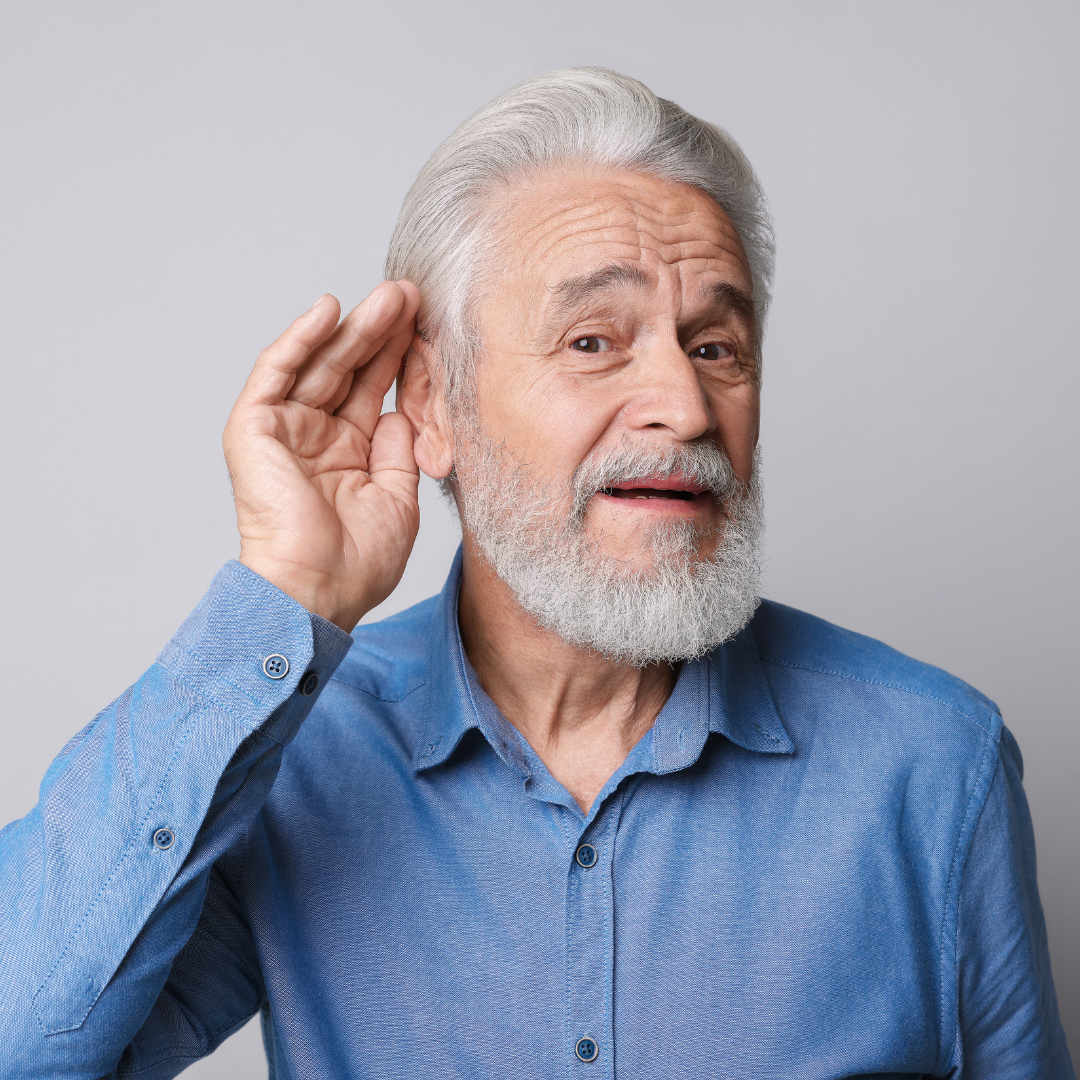
Noticing an immediate hearing loss on one side can be unsettling, leaving affected individuals wondering how to proceed. Our audiology clinic offers prompt diagnostic hearing testing and coordinates emergency medical evaluations whenever sudden hearing changes develop. An acute sudden hearing loss consistently necessitates immediate examination by a hearing professional to begin medical therapy or targeted hearing rehabilitation.
Is Sudden Loss of Hearing in One Ear An Emergency?
Yes, it is. Sudden hearing loss in one ear should be treated as a medical emergency, particularly when it develops within hours or over a few days. Sudden sensorineural hearing loss, colloquially known as sudden deafness, compromises the sensory hair cells of the inner ear or the auditory nerve. The condition typically develops painlessly, leading many patients to confuse it with sinus congestion, fluid, or a plugged ear canal.
Potential signs of this condition include:
- A sudden decline in unilateral sound perception or vocal intelligibility
- Noticing that phone conversations sound faint, muffled, or absent on one side
- A physical popping sensation or localized ear pressure immediately prior to the hearing drop
- Newly acquired tinnitus presenting as high-pitched ringing, clicking, or roaring in that ear
- Dizziness, imbalance, or a spinning sensation
Avoid waiting passively to see whether normal hearing thresholds return independently. Seek same-day diagnostic guidance from our practice, an urgent care physician, or an otolaryngology specialist.
The Urgency of Immediate Professional Evaluation for Sudden Deafness
Early clinical intervention is crucial because treatment protocols for sudden sensorineural hearing loss are far more successful when commenced right away. Our immediate task involves verifying whether the impairment is conductive due to wax or middle-ear effusion, or sensorineural originating within the sensory organ or auditory nerve. While conductive and sensorineural losses can feel virtually identical to the patient, they mandate entirely different clinical therapies.
Direct otoscopic visualization and a comprehensive diagnostic hearing test precisely establish the underlying type, audiometric configuration, and severity of the loss.
Go to an emergency medical facility immediately if sudden hearing loss presents in conjunction with:
- Acute facial nerve weakness, asymmetrical drooping, or numbness
- Inability to formulate words, sudden mental confusion, or a severe, atypical headache
- Sudden double vision, loss of consciousness, or profound unsteadiness when walking
- Sharp chest discomfort or related symptoms of acute cardiovascular distress
These symptoms may indicate a neurological or vascular emergency and should not be evaluated through a routine appointment.
Pathophysiological Causes of Sudden Sensorineural Hearing Loss
In most cases of sudden sensorineural hearing loss, no definite cause is found. If an underlying cause is identified, it typically entails tissue inflammation, physical injury, microcirculatory failure, autoimmune disease, or specific cochlear nerve disorders.
Documented clinical etiologies include:
- Viral or bacterial infections
- Mechanical head injury or sudden exposure to high-intensity blast noise
- Diagnosed autoimmune disorders affecting the inner ear sensory systems
- Ingestion of ototoxic pharmaceuticals known to compromise inner ear structures
- Vascular disruptions, arterial thrombosis, or reduced labyrinthine blood flow
- Inner-ear disorders such as Ménière’s disease
- Demyelinating neurological diseases like multiple sclerosis
- A vestibular schwannoma (acoustic neuroma) developing on the vestibulocochlear nerve
Because one cannot differentiate these complex etiologies based on symptoms alone, prompt diagnostic assessment and audiologic testing are critical.
How Is Sudden Sensorineural Hearing Loss Treated?
Prescription corticosteroids are the gold-standard treatment when sudden sensorineural hearing loss develops without an overt etiology. Corticosteroids can be ingested orally or injected through the eardrum into the middle ear cavity, allowing medication to permeate the round window membrane. Treatment options are made by us and should account for the timing and severity of the loss, medical conditions, current medications, and potential side effects.
Steroid treatment may be offered within the first two weeks, and starting as early as medically appropriate is important. Targeted intratympanic steroid injections are often indicated as salvage therapy when oral regimens fail to provide full auditory restoration. Under appropriate circumstances, an ENT specialist might suggest adjunct hyperbaric oxygen therapy paired with clinical steroid treatments.
Understanding Spontaneous Recovery in Sudden Sensorineural Hearing Loss
Sudden sensorineural hearing loss can improve without treatment. Approximately fifty percent of affected patients see some or all of their hearing return on its own, usually within one to two weeks of onset. Still, there is no clinical way to predict at symptom onset who will experience spontaneous recovery, how much hearing will be regained, or whether stability will persist.
The possibility of spontaneous recovery is not a reason to delay care. Therapeutic success diminishes significantly if care begins weeks after the incident, meaning delays can permanently eliminate an important window of recovery. Recovery may be complete, partial, or minimal.
Managing Unresponsive Sudden Hearing Loss: Next Steps
If hearing does not fully recover, the next step depends on how much hearing remains, how well the affected ear understands speech, and whether an underlying cause has been ruled out. Our team may order a dedicated internal auditory canal magnetic resonance imaging (MRI) scan or an auditory brainstem response (ABR) evaluation to assess the vestibulocochlear nerve and cerebellopontine angle.
Ongoing rehabilitative technologies include:
- A traditional digital hearing aid provided the ear demonstrates functional, aidable residual hearing
- Utilizing a CROS hearing aid system designed to stream acoustic signals from the impaired ear to the normal-hearing ear
- A bone-conduction device for appropriate candidates
- A cochlear implant for qualifying cases of single-sided deafness
- Assistive listening technology for work, school, or conversations
Comprehensive audiologic rehabilitation helps remediate mental listening fatigue, spatial sound localization deficits, and everyday communication barriers. The optimal clinical choice is guided by diagnostic hearing test findings, individual acoustic environments, medical background, and personal lifestyle objectives.
Book an Immediate Diagnostic Hearing Evaluation
If you experienced a sudden drop in hearing today or within recent days, seek same-day clinical intervention instead of waiting for a standard checkup. Our audiologists will carry out diagnostic hearing tests, measure bilateral ear performance, assess symptom timelines, and coordinate directly with an ENT doctor or primary physician.
Contact our clinic without delay to request a prompt hearing evaluation.
