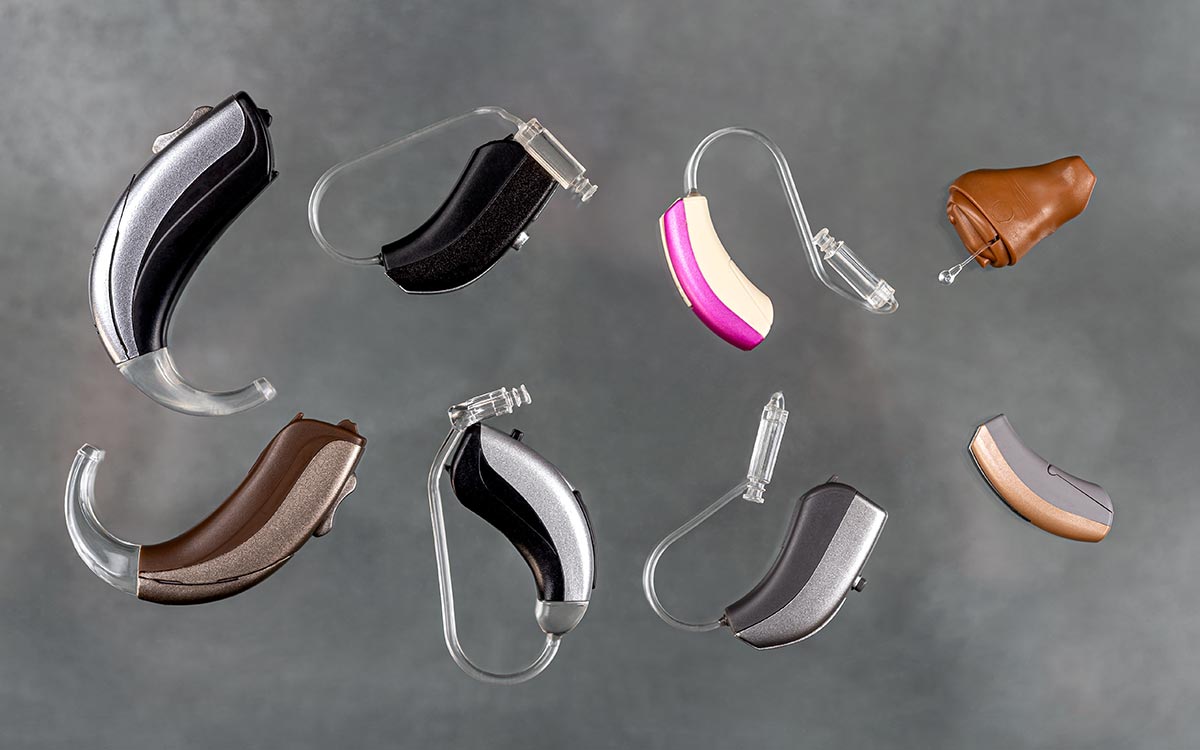
Choosing a hearing aid can feel overwhelming, especially when today’s units come in so many styles, sizes, and technology levels. Fortunately, there is a perfect hearing solution for every person, regardless of their lifestyle or the severity of their hearing loss. Success rests in locating the specific aid that meets your personal preferences.
Understanding the differences among the most common types of hearing aids can help you feel more informed and confident as you explore your options. We are going to study the primary styles available today to help you understand what sets each option apart.
Understanding ITC Units
What they represent:
An ITC device is designed to sit partially within the ear canal while showing just an inconspicuous section in the outer ear area.
Common Benefits:
- Offers a smaller shape than bulkier behind-the-ear units
- Tailored to the unique contours of your ear
- An effective choice for those with moderate hearing needs
First-time wearers often gravitate toward ITC aids because they strike a perfect compromise between size and performance.
IIC (Invisible-in-Canal) Engineering
How they work:
IIC hearing aids are the smallest custom style available. They are inserted deeply within the canal to remain hidden from view.
Why people choose them:
- Maximum cosmetic discretion
- Provides authentic audio because of where the device sits
- Designed for comfort with a highly small footprint
The small form factor of IIC models renders them perfect for mild hearing loss and anyone who values a stealthy hearing solution.
Full and Half-Shell ITE Options
The Fundamentals:
These models fill either the complete or bottom half of the outer ear bowl. The shell is uniquely molded to the specific contours of your individual ear.
Why users prefer ITE:
- The increased surface space provides space for extra functionality and extended power
- Provides an easier experience for those who struggle with tiny accessories
- Capable of providing enough power for severe hearing needs while remaining in-the-ear
Many patients pick ITE devices because they offer an integrated, self-contained design that doesn’t hook over the ear.
Traditional BTE Units
Technical Detail:
BTE hearing aids sit securely behind the ear. Audio is sent through an ultra-fine tube or a personalized mold in the canal.
Why users select them:
- Known for remaining remarkably adaptable and robust
- Useful for nearly every level of hearing impairment
- The size provides plenty of room for the latest connectivity features and rechargeable hardware
If you need a robust hearing aid that is simple to operate and offers high-power output, the BTE style is ideal.
Modern RIC (Receiver-in-Canal) Devices
Design Specifications:
The RIC design keeps the main housing on the back of the ear while moving the receiver into the ear canal itself.
Key Pros:
- Provides a remarkably clear and lifelike listening experience
- The ultra-thin design is equally light and nearly effortless to wear
- Flexible enough to treat an extensive number of hearing impairments
Thanks to their comfort and visual appeal, RIC devices have become an industry standard.
Understanding Long-Term Systems
Introduction:
A hearing specialist places these specialized hearing aids deep into the canal, where they remain for multiple weeks.
Lifestyle Benefits:
- No daily insertion or removal
- They are virtually hard for others to notice because of their depth
- Designed to be worn throughout everyday activities, including sleeping and exercising
If you prefer a hearing solution that requires zero daily thought, the extended-wear style is perfect.
Bluetooth-Enabled Hearing Aids
What they represent:
Bluetooth-ready hearing aids allow for an electronic bridge between your hearing technology and your smart devices.
Modern Benefits:
- Allows for crystal-clear phone calls and media streamed directly to the device
- Allows for instant, subtle adjustments to your hearing aids through digital software
- Enhanced ease for modern lifestyles
Bluetooth features are available across many styles, including RIC, BTE, and some ITC models.
Middle-Ear Implants
Procedure Info:
Middle-ear implants are specialized instruments that use mechanical vibration to enhance hearing via the middle ear.
Why people pick them:
- A viable path for patients who are unable to wear standard acoustic devices
- Comfortable option for chronic ear issues related to traditional devices
Candidates for middle-ear implants must complete an exhaustive evaluation by an expert specialist.
Selecting Your Ideal Auditory Option
Since each hearing aid design has distinct strengths, the best choice is based on your specific hearing needs, your daily activities, and your aesthetic goals. By consulting an expert, you can investigate various models and see which one feels most natural to you.
Start moving toward an environment of superior sound by arranging an appointment with a hearing specialist. Your future of assured interaction starts with this first evaluation.
Sources:
https://www.mayoclinic.org/diseases-conditions/hearing-loss/in-depth/hearing-aids/art-
20044116
https://www.hearinglife.com/hearing-aids/types
https://www.nidcd.nih.gov/health/hearing-aids
