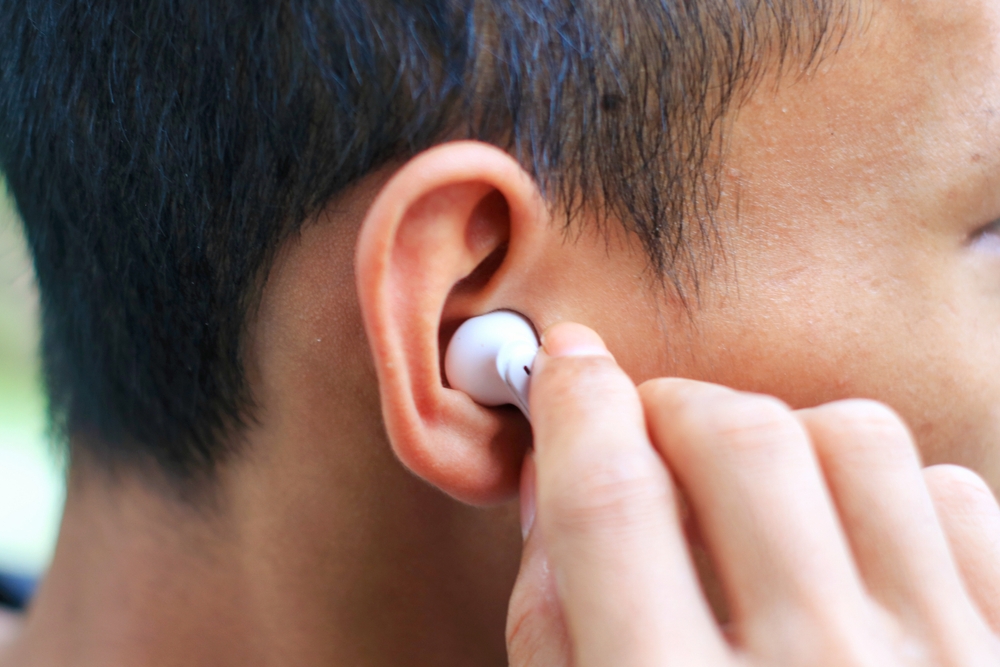
In modern public spaces, the sight of a young person without some form of in-ear audio is rare. Even with their larger footprint, headphones remain a popular choice for teenagers looking to disconnect from the world. While acoustic enjoyment is universal across all ages, the youth population often utilizes music as a primary tool for time management. So, can headphones cause hearing loss since they are so close to our ears? It’s not the device itself, but how we use it.
When Healthy Listening Becomes Hazardous
Listening to music can be relaxing, soothe our souls, or wind us up. This subjective experience is dictated by the specific characteristics of the chosen track. Personal audio tech provides a convenient way to consume media without infringing on the silence of those nearby. This behavior is socially beneficial, and commuters often report a preference for this shared auditory boundaries on public transit.
The real questions are: how loud is too loud, and how long is too long? The truth is, loud noise in general is damaging to your ears and your hearing. Sustained exposure to extreme volumes can result in irreversible trauma to the auditory nerve. Hearing loss occurs gradually, so by the time you realize what’s happening, it may be too late.
Why Earbuds Pose a Unique Threat to Hearing Health
Volume is the key danger for noise-induced hearing loss. Despite this, the cumulative hours of exposure are just as dangerous as a single loud blast.
- According to the NIH, maintaining a threshold below 70 dB ensures safety, even during extended listening periods.
- High-intensity sound waves cause cellular damage in a fraction of the time required by moderate sounds.
- Implement the 60/60 safety protocol by capping volume at 60% and taking a break every 60 minutes.
- Ensuring long-term hearing health requires a proactive reduction in volume and strict limits on listening time.
Red Flags: When to Suspect Hearing Impairment
If you notice muffled speech, struggle with background noise, experience **tinnitus**, or constantly require others to speak up, a professional evaluation is necessary.
Schedule an appointment with our specialists if you believe your auditory health has been compromised.
