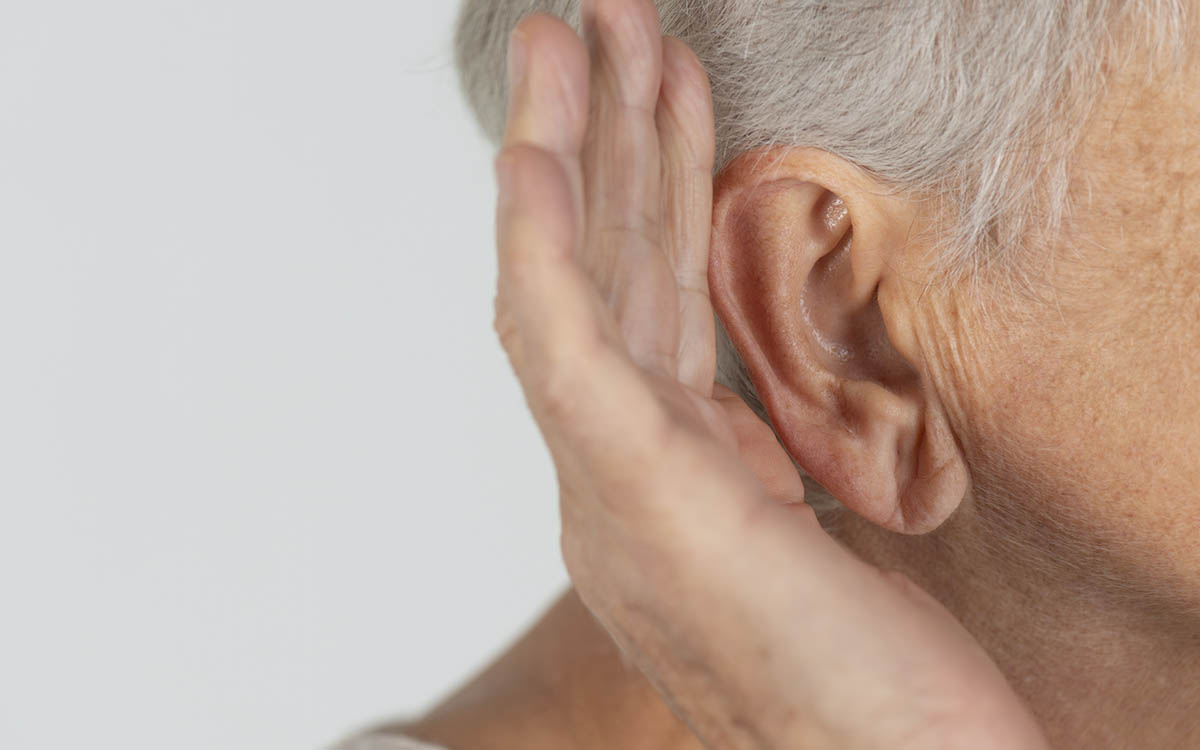
Most people associate hearing loss with advancing age, yet for a vast number of citizens, auditory trauma initiates much earlier in life. Among the most frequent and preventable categories of auditory damage, noise-induced hearing loss frequently develops incrementally, but it often occurs gradually and goes unnoticed until the effects are permanent.
Grasping the longitudinal impact of sound exposure on the auditory system facilitates proactive protection before significant hearing loss occurs.
Understanding the Clinical Nature of Acoustic-Related Hearing Loss: A Pathophysiological Analysis
This form of hearing loss is precipitated by excessive acoustic energy damaging the fragile internal structures of the auditory system. Data from the CDC indicate that, auditory impairment may begin with chronic exposure to noise levels over 85 decibels. Higher intensity sounds, including those generated by machinery, music venues, or firearms, may result in immediate damage.
The internal auditory system houses delicate sensory units termed hair cells. These receptors facilitate the conversion of acoustic vibrations into electrical signals decoded by the brain. Because hair cells cannot repair or replace themselves once damaged, hearing loss resulting from noise is generally a permanent physiological state.
Understanding How Hearing Damage Accumulates Through Chronic Exposure
One of the most concerning aspects of noise-induced hearing loss is that it often develops slowly. Early-stage symptoms resulting from noise exposure often include:
- Occasional instances of Tinnitus, characterized by ringing or buzzing sounds
- A feeling of muffled hearing after loud events
- Impaired speech discrimination in the presence of background noise
These early warning signs may fade, leading people to assume their hearing has “recovered”. In reality, repeated noise exposure continues to injure inner-ear structures, incrementally diminishing auditory acuity and threshold sensitivity.
The Hearing Loss Association of America reports that approximately 48 million Americans experience some degree of hearing loss, many unaware of the underlying cause.
Recognizing Daily Acoustic Risks to Auditory Longevity
Modern society is characterized by high ambient noise, which frequently leads to a lack of awareness regarding sound intensity. Consequently, the frequency of hazardous noise exposure is often underestimated.
Commonly encountered risks include:
- Live music venues and concerts
- Personal audio devices utilized at excessive decibel levels
- Motorized landscaping equipment, power machinery, and vehicles
- Industrial workplace environments such as warehouses and construction sites
The everyday occurrence of these sounds allows for progressive damage to develop without obvious warning.
Prioritizing Prophylactic Measures in Ear Preservation
In contrast to certain medical conditions, noise-induced hearing loss is characterized by its permanent nature. However, it is highly preventable. Simple protective habits can significantly reduce risk, including:
- Using earplugs or noise-reducing earmuffs in loud environments
- Limiting headphone decibels and implementing the 60/60 rule for safe listening
- Implementing quiet intervals to permit the auditory system to rest
- Ensuring consistent Audiology check-ups for those in high-noise environments
Indicators to Schedule Professional Hearing Care
The presence of chronic Tinnitus, impaired speech recognition, or altered auditory clarity warrants a professional Audiology consultation. Prompt clinical evaluation is vital for tracking auditory status and formulating effective hearing preservation plans.
Implementing protective measures today safeguards your auditory capacity for the years ahead. Noise may be unavoidable, but hearing loss doesn’t have to be!. Contact us to coordinate a comprehensive evaluation and ensure your auditory system is functioning at its peak.
