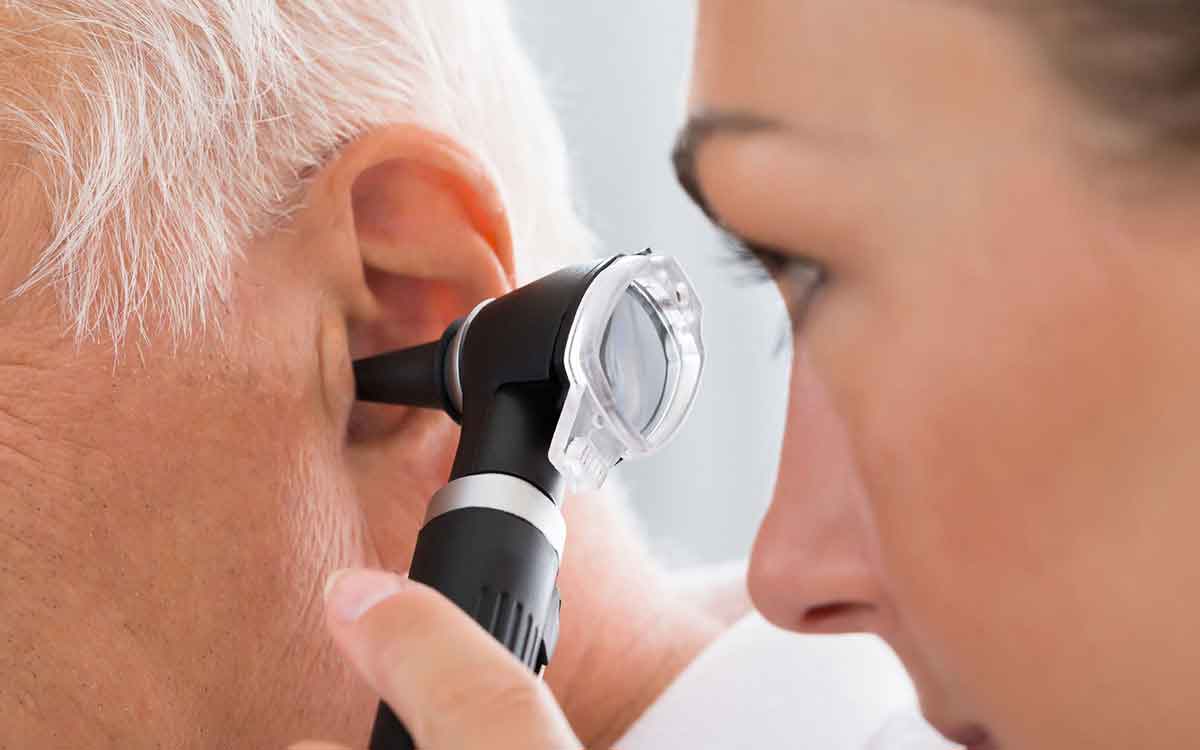
The gradual nature of hearing loss often causes early-stage indicators to be overlooked. Many people adjust without realizing it by increasing the TV volume, requesting frequent repetitions, or avoiding loud environments.
Seeking an early diagnosis can assist in optimizing daily communication.
Frequent Indicators of Initial Auditory Decline
If you observe any of the following symptoms, it may be time to schedule a professional evaluation.
- Reduced clarity during dialogue within high-noise areas.
- Frequently asking people to clarify their statements.
- The perception of indistinct vocal communication where sounds lack definition.
- Requiring increased decibel settings for media than is typical.
- Decreased perception of high-frequency acoustic signals such as bird songs or household alerts.
- Auditory sensations such as ringing, buzzing, or humming, clinically termed tinnitus.
- Feeling mentally exhausted after social interactions, resulting from the strain of auditory processing.
- Withdrawing from social situations because dialogue has become stressful.
These early signs of hearing loss can affect either ear and may come and go at first. Because the brain adapts quickly, many people don’t realize the extent of their subconscious adjustments until hearing loss advances further.
Hearing Loss By The Numbers
Projection by the World Health Organization indicates that a vast population will face the requirement for auditory rehabilitation by mid-century. Other noteworthy statistics consist of:
- By 2050, approximately 2.5 billion people are projected to experience various levels of hearing loss.
- Over 5% of the world’s population (430 million people) necessitates rehabilitation to address disabling hearing loss.
- More than 1 billion younger individuals are at risk of avoidable hearing loss due to unsafe listening practices.
- Among those over the age of sixty, over 25% have disabling hearing loss.
The Critical Importance of Early Identification
Neglecting auditory decline influences systemic well-being and daily wellness.
Clinical research associates hearing loss with higher incidences of social isolation, depression, cognitive decline, and balance issues.
Treating symptoms early facilitates more treatment options and better long-term outcomes.
Audiological testing distinguishes between noise damage, earwax buildup, or other health conditions.
Occasionally, auditory changes are temporary and resolve with intervention.
In addition, utilizing safety strategies or hearing technology early can slow the advancement of hearing loss.
Recognizing the Need for Audiology Services
You should consider scheduling a hearing evaluation if:
- Clinical indicators persist for a duration exceeding several weeks.
- Changes in hearing impact work, relationships, or daily activities.
- If you encounter sudden hearing loss, vertigo, or persistent tinnitus (which requires immediate attention).
Hearing tests are painless and noninvasive, plus they provide valuable insight into your auditory wellness.
Reach out to our audiology team if you are interested in arranging a formal hearing test.
FAQ: Early Signs of Hearing Loss
Question: Is aging the sole cause of hearing impairment?
A: No, while aging is a factor, hearing loss can be precipitated by acoustic trauma, infection, or systemic health issues.
Q: Can auditory impairment be clinically reversed?
A: Some causes, like earwax buildup or infection, may be reversible. However, permanent types of hearing loss are often successfully managed with hearing aid technology or therapeutic strategies.
Q: At what intervals should I have my hearing evaluated?
Answer: It is recommended that adults obtain a baseline assessment by age 50, with earlier testing for those with specific risk factors.
