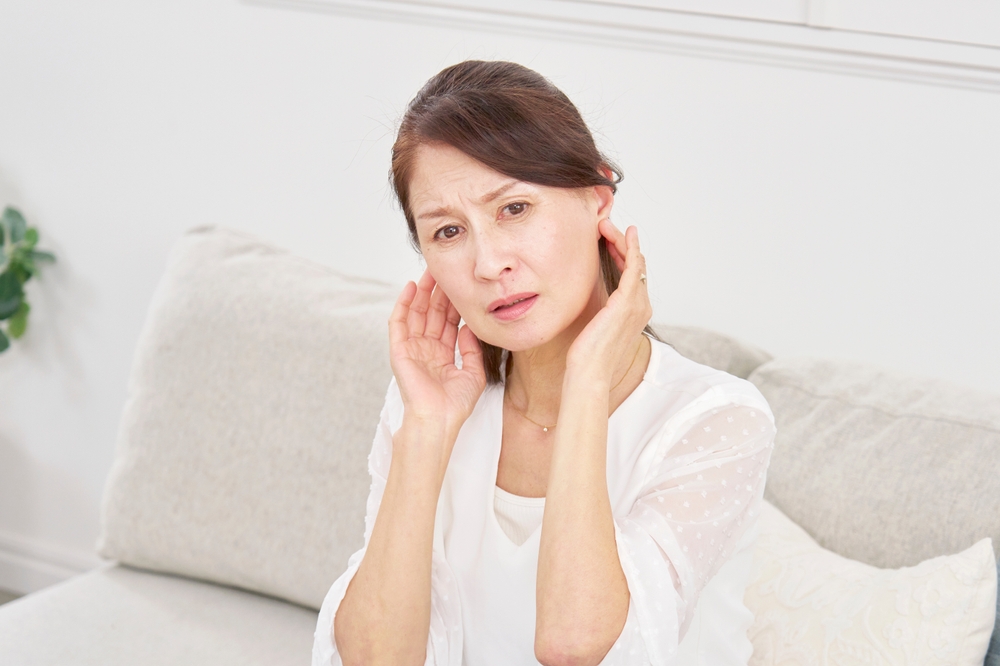
Waking up one morning and realizing you have lost your hearing is an alarming scenario for anyone. This specific hearing impairment is remarkably rapid, often manifesting without prior warning signs or advanced signals. While some causes are transient and simple to resolve, others demand immediate clinical intervention.
Grasping the typical reasons behind rapid deafness and knowing when to seek for help is vital for your prognosis. The following guide explores the science of rapid hearing changes, potential triggers, and the necessity of expert clinical care.
What Is Sudden Hearing Loss?
This impairment involves a swift loss of hearing ability that typically manifests within a seventy-two-hour window. While most patients experience this in one ear, it can sometimes manifest in both at once. Individual experiences vary from clouded hearing and tinnitus to a distinct sense of congestion or vocal distortion.
Sudden Sensorineural Hearing Loss (SSHL)
It is imperative to rule out SSHL during the preliminary evaluation phase.
The condition is caused by physical damage affecting the cochlea, hearing nerve, or neural pathways. It often develops without a clear cause, but possible contributors include:
- Vascular restrictions affecting auditory nerve function
- Internal inflammation and abnormal immune system activity
- Infection-based nerve disruption
- Disruptions in nerve pathways
Because the window for successful treatment is so narrow, SSHL is handled as an urgent crisis where early care dictates the outcome.
Viral Infections
Pathogenic activity often leads to swelling in the auditory canal, resulting in significant auditory changes.
Frequent viral triggers linked to sudden hearing impairment are:
- Standard upper respiratory viruses
- Systemic flu-related inflammation
- The herpes simplex or zoster strains
- Post-COVID viral effects
Auditory symptoms often appear during the height of an illness or in the immediate recovery phase, sometimes with vertigo.
Hearing Loss Resulting from Physical Injury
Traumatic events such as head strikes, barotrauma, or high-decibel exposure can compromise the ear’s fragile anatomy.
The following scenarios are frequent catalysts for injury-based hearing impairment:
- Severe head strikes and concussive events
- Sudden shifts in ear canal pressure
- Sudden blasts of loud noise
- Fluid leaks or shifts within the labyrinth
Even minor injuries can impact hearing, especially if symptoms appear shortly following.
Earwax Buildup or Blockage
Impacted earwax, while simply resolved, can mimic the symptoms of more serious sudden hearing conditions.
Blockage-induced hearing impairment often:
- Manifest with abrupt speed
- Sensation of fullness or pressure
- Be more pronounced on the left or right
- Clear up following the expert extraction of the wax
It is vital to remember that home evaluation is inadequate for determining the true source of sudden deafness. This diagnostic ambiguity is why immediate expert care is so important.
Additional Factors in Rapid Auditory Decline
Other variables that can affect a sudden drop in hearing include:
- Adverse effects from specific pharmaceuticals
- Circulatory system irregularities
- Immune-mediated inner ear disease
- Benign growths impacting the vestibulocochlear nerve
A detailed diagnostic battery is essential to eliminate these more complex causes.
Sudden Hearing Loss: Why Early Treatment Is Key
The single most critical piece of advice for sudden deafness is to seek care without any hesitation.
A fast response from a specialist can help:
- Determine if the hearing loss is clinically reversible
- Enhance the overall success rate of medical interventions
- Prevent further hearing damage
- Limit the personal and personal toll of long-term hearing impairment
Comprehensive audiology diagnostics provide the essential data needed to manage the condition effectively.
When Rapid Hearing Changes Require an Immediate Call
You should seek prompt medical or audiology care if you experience:
- Abrupt hearing loss in one or both ears
- Hearing impairment coinciding with physical instability
- The rapid onset of tinnitus or aural fullness
- Hearing loss after illness or injury
Though your hearing may seem to recover slightly, a professional check-up is still vital for a full diagnosis.
How Hearing Tests Provide Immediate Solutions
Modern testing quickly identifies the specific category of the loss, such as:
- Conductive in nature, often caused by mechanical obstructions
- Nerve-based or related to inner ear damage
- A reversible shift or a lasting auditory decline
Early testing supports faster treatment decisions and better outcomes.
Take Sudden Hearing Changes Seriously
Sudden hearing loss is bound to feel alarming, but the sooner you seek care, the more options you may have to address it.
Securing an expert assessment following a sudden auditory shift is the best way to safeguard your long-term wellness. We’re here for you if you experience sudden hearing loss: Call our care team as soon as possible at our office for the help you need.
